
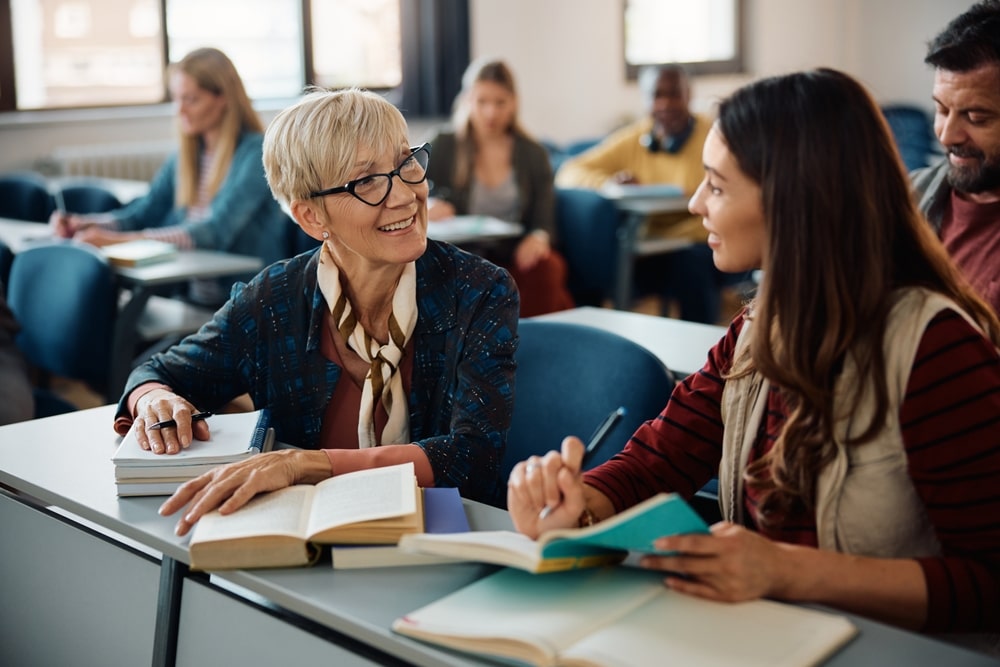
Education in the contemporary world is progressing beyond conventional classroom paradigms. Today, skill-based learning, inclusive education, and possibilities for lifelong learning are all transforming the way people learn and stay up to date in a world that is always changing. Skill-based learning teaches useful skills, inclusive education methods make sure that all students have the same opportunity, and lifelong learning possibilities stimulate progress at every stage of life. These methods work together to build an education system that is adaptable and ready for the future, and that helps people grow and do well in their careers.
Comprehending Skill-Based Learning
Skill-based learning focuses on gaining useful abilities that can be used on the job, not only theoretical information. This method gets students ready to use what they study in real life. Learning by doing helps with critical thinking, problem solving, and being flexible. Skill-based learning bridges the gap between school and work by putting a lot of emphasis on hands-on experience. It also helps students feel more sure of themselves and skilled in their chosen industries.
How important skills are in today’s education
In today’s competitive environment, employers value skills that demonstrate capability and productivity. Skill-based learning gives students the technical, digital, and soft skills they need to work. This method makes sure that education stays useful for businesses. Skill-based learning also helps people learn for the rest of their lives by motivating them to keep improving their skills. Learners who focus on skills are better able to deal with changes in technology and the economy.
The idea behind inclusive education practices
The goal of inclusive education is to give all students, no matter their background or aptitude, the same chances to study. These methods encourage diversity, accessibility, and engagement in schools. Inclusive education strategies acknowledge individual variations and modify instructional approaches to accommodate diverse needs. Inclusive education strategies assist all students reach their full potential by creating a supportive learning environment.
The good things about inclusive education
Inclusive education techniques help students feel like they belong and are respected. They promote understanding and working together among people from different backgrounds. Inclusive education techniques, when combined with skill-based learning, make guarantee that everyone can get an education that is useful and meaningful. These methods also help people learn for the rest of their lives by making it easier for everyone to get an education and making sure that everyone has the same chances at every stage of life.
Comprehending Opportunities for Lifelong Learning
Lifelong learning possibilities mean always trying to learn new things and improve your skills. These chances include going to school, getting professional training, and learning on your own. People can stay up to speed with new technologies and job requirements by taking advantage of lifelong learning options. People can improve their personal growth and flexibility by adopting lifelong learning. Skill-based learning is an important part of making lifelong learning useful and effective.
The part technology plays in lifelong learning
Online courses and digital materials have made it easier for people to learn new things throughout their lives. Students can now learn new things at their own speed and when it’s best for them. Technology helps make education more inclusive by giving students a variety of ways to learn that are easy to use. When used alongside skill-based learning, technology-based lifelong learning gives people the power to take charge of their education and professional growth.
Combining Skills, Inclusion, and Lifelong Learning
The integration of skill-based learning, inclusive education practices, and lifelong learning opportunities creates a holistic education model. Skill-based learning ensures relevance, inclusive education practices promote equity, and lifelong learning opportunities support continuous growth. Together, they help build resilient learners who can adapt to change. This integrated approach benefits individuals, organizations, and society as a whole.
Conclusion
Skill-based learning, inclusive education practices, and lifelong learning opportunities are essential for building a future-ready education system. Skill-based learning prepares learners for real-world challenges, inclusive education practices ensure equal access and participation, and lifelong learning opportunities promote continuous development. When combined, these approaches support personal fulfillment, professional success, and social progress. Embracing these principles allows individuals and communities to thrive in an ever-changing world.