
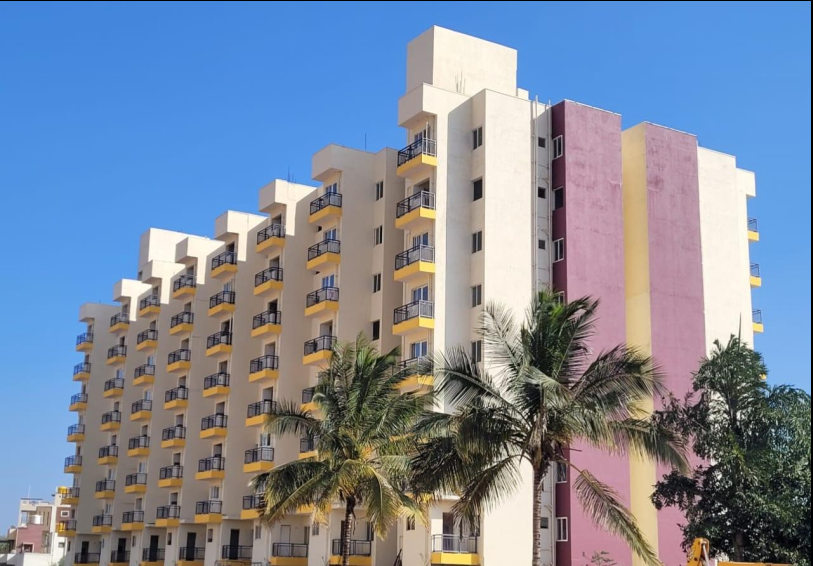
Buying residential property is a major financial decision for both families and investors planning long-term security and future growth. With rising demand for plots for sale in developing cities, buyers now have multiple property options to explore. However, selecting the right property involves more than checking only price and location.
Factors such as legal approvals, infrastructure, connectivity, safety, and future appreciation potential should also be carefully verified. Many buyers prefer budget-friendly plots for flexible home construction and investment benefits. Proper research, document verification, and location analysis help reduce risks while ensuring better returns and smarter residential property investment decisions in growing urban areas.
Importance of Location in Residential Plot Selection
Location plays a major role in determining the value and usability of residential property. Buyers should evaluate whether the area offers easy access to schools, hospitals, shopping centers, workplaces, and transportation facilities for convenient daily living. Many developing locations now feature residential sites for sale near highways, metro routes, and growing commercial zones, which often increase future appreciation potential.
Properties located in well-connected urban corridors generally experience higher demand and better long-term returns. Buyers should also examine upcoming infrastructure projects, road developments, and commercial expansion plans in the surrounding area, as these factors can significantly improve residential land value over time.
Legal Verification and Property Documentation
Before purchasing residential land, buyers should carefully verify all legal documents. Clear ownership records and government approvals help avoid disputes in the future. Some of the important documents include:
- Title deed
- Encumbrance certificate
- Tax receipts
- Land conversion certificates
- Layout approvals
- RERA registration, if applicable
When reviewing residential sites for sale, buyers should ensure that the land is legally approved for residential use. Unapproved properties may create legal complications during construction or resale.
It is also advisable to consult legal experts before finalizing any transaction. Professional verification helps confirm that the property has no pending disputes or liabilities.
Infrastructure and Basic Amenities
Infrastructure plays a major role in determining the livability of residential land. Buyers should inspect whether the area has proper roads, drainage systems, electricity supply, water connections, and street lighting.
Modern residential communities offering budget-friendly plots often include amenities such as:
- Parks and green spaces
- Security systems
- Internal roads
- Sewage facilities
- Community spaces
- Water management systems
Good infrastructure improves both quality of life and future resale value. Poorly developed areas may create difficulties for residents and reduce long-term property demand.
Soil Quality and Land Condition
Many buyers overlook the physical condition of land before purchasing. Soil quality directly affects construction stability and long-term maintenance costs. Conducting a soil test can help determine whether the land is suitable for residential construction.
Buyers should also inspect:
- Flood risk in the area
- Land elevation
- Drainage conditions
- Waterlogging issues
- Boundary clarity
Even when selecting attractive residential sites for sale, checking land condition remains essential for avoiding unexpected construction challenges later.
Connectivity and Transportation Access
Easy transportation access increases the convenience and value of residential property. Buyers should evaluate the distance from public transport facilities, railway stations, highways, airports, and daily commuting routes.
Residential areas with strong connectivity often attract both homeowners and investors. Well connected affordable plots can deliver better appreciation because people prefer locations with smooth access to workplaces and city centers.
Connectivity also influences future rental demand. Areas close to educational institutions, IT hubs, and industrial zones generally maintain steady residential demand.
Safety and Neighborhood Environment
A safe and peaceful environment is important for comfortable living. Buyers should assess the overall neighborhood before purchasing residential land. Visiting the area during different times of the day can help evaluate security, traffic conditions, and community activity.
When reviewing residential sites for sale, buyers should check:
- Crime rates in the locality
- Street lighting conditions
- Availability of security services
- Cleanliness and sanitation
- Noise levels
A good residential environment improves long term satisfaction and enhances property value over time.
Builder Reputation and Project Transparency
The credibility of the developer or real estate company is another important factor. Buyers should research the builder’s previous projects, customer reviews, and delivery history.
Trusted developers offering residential sites for sale usually maintain transparency regarding approvals, pricing, and infrastructure development. Buyers should avoid projects with unclear commitments or incomplete documentation.
Professional developers also provide better project planning, customer support, and legal compliance. This improves buyer confidence and reduces investment risks.
Comparing Residential Plots and Apartments
Some buyers compare residential plots with apartment investments before making a final decision. While plots offer flexibility for custom construction, apartments provide ready-to-use living spaces.
For example, a 2 BHK apartment for sale may suit buyers looking for immediate occupancy and community living. Apartments often include maintenance services, security, and shared amenities.
On the other hand, residential plots allow owners to design homes according to personal preferences. Many investors choose budget-friendly plots because land ownership can offer better appreciation in rapidly developing areas.
The choice between land and apartments depends on individual financial goals, lifestyle needs, and investment strategy.
Budget Planning and Additional Costs
Budget planning is essential when purchasing residential property. Buyers should calculate not only the land cost but also additional expenses such as:
- Registration charges
- Legal fees
- Development charges
- Maintenance fees
- Construction expenses
- Utility connection costs
While searching for residential sites for sale, buyers should compare multiple projects and evaluate the total investment required. Choosing the lowest price option without proper verification may create higher costs later.
Financial planning helps buyers select suitable budget-friendly plots without compromising legal security or infrastructure quality.
Conclusion
Choosing residential land involves evaluating location, legal approvals, infrastructure, connectivity, safety, and future growth potential. Buyers should verify documents and inspect property conditions instead of depending only on advertisements or promotional claims. Careful research helps reduce risks and supports better investment decisions. Whether selecting plots for sale for custom home construction or a 2-bedroom apartment for sale for immediate living, understanding essential property features is important for making a secure and informed real estate investment.
For buyers seeking reliable real estate opportunities with long-term investment potential, Maxworth Realty offers professionally planned residential developments across growing urban locations. The company provides legally verified residential sites for sale, well-designed residential layouts, and housing solutions supported by strong infrastructure development. With a focus on transparency, customer satisfaction, and quality planning, Maxworth Realty helps buyers explore budget-friendly plots and residential investment opportunities suitable for comfortable living and future property value appreciation.