
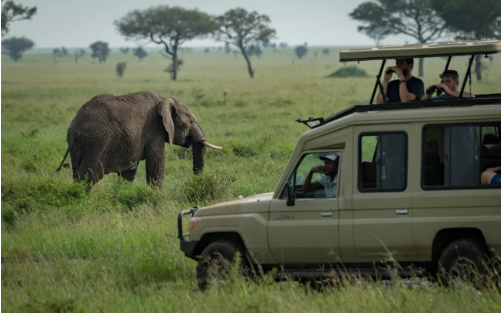
Africa has long captivated the imagination of adventurers, nature enthusiasts, and photographers seeking authentic encounters with the wild. Among the continent’s many remarkable destinations, Tanzania emerges as the ultimate safari experience, offering unparalleled access to pristine wilderness, dramatic landscapes, and wildlife spectacles that exist nowhere else on Earth. A Tanzania safari tour transcends ordinary travel—it becomes a pilgrimage to witness nature in its most magnificent and untamed form.
The Tanzania Advantage: What Sets This Destination Apart
Tanzania’s ascent to the pinnacle of African safari destinations didn’t happen by accident. The country’s geographical positioning along the East African coast, combined with its remarkable topographical diversity, creates ecological conditions that support extraordinary biodiversity. From snow-capped Mount Kilimanjaro to the turquoise waters of the Indian Ocean, from the ancient Ngorongoro volcanic highlands to the endless Serengeti plains, Tanzania encompasses virtually every African landscape imaginable within its borders.
The government’s long-standing dedication to wildlife conservation has resulted in protected areas covering more than 250,000 square kilometers—an area larger than the United Kingdom. This commitment ensures that wildlife corridors remain intact, migration routes stay open, and ecosystems function with minimal human interference. Unlike destinations where development has fragmented habitats, Tanzania maintains the large-scale wilderness areas essential for supporting viable populations of large mammals and their complex ecological relationships.
Tanzania’s appeal also lies in its safari infrastructure, which has matured over decades to accommodate every traveler category. Whether you’re a backpacker seeking budget camping adventures or a luxury traveler expecting world-class service, Tanzania delivers appropriate options without compromising the wilderness experience. This versatility makes Tanzania accessible to first-time safari-goers while offering depth and variety that keeps experienced Africa hands returning year after year.
Decoding the Serengeti Ecosystem
The Serengeti ecosystem functions as Tanzania’s crown jewel—a vast interconnected landscape where ancient patterns of life and death play out on a scale that defies modern human experience. Understanding this ecosystem’s complexity helps travelers appreciate what they’re witnessing and positions them for optimal experiences.
The Serengeti’s name derives from the Maasai word “siringet,” meaning endless plains. These grasslands support the highest biomass of large herbivores anywhere on Earth, creating a prey base that sustains Africa’s greatest predator populations. The ecosystem extends beyond the national park boundaries to include the Ngorongoro Conservation Area, Maswa Game Reserve, and several other protected areas, encompassing approximately 30,000 square kilometers of contiguous wilderness.
Ecological zones within the Serengeti create distinct habitats supporting different wildlife communities. The southern shortgrass plains provide nutrient-rich grazing that attracts massive wildebeest concentrations during the wet season. These open vistas also favor cheetahs, who require visibility and space to employ their speed-based hunting strategy. The western corridor’s riverine forests and thickets harbor colobus monkeys, bushbucks, and leopards, while the northern woodlands support different vegetation patterns that influence wildlife distribution throughout the year.
The Serengeti’s kopjes—isolated granite outcrops rising abruptly from the plains—create microhabitats with their own ecological dynamics. These rocky islands provide den sites for lions, resting places for leopards, and refuge for hyraxes. Some kopjes contain ancient rock paintings, adding cultural dimensions to their natural significance. Photographers prize kopjes as compositional elements that add drama and scale to wildlife images.
Ngorongoro: The Garden of Eden
The Ngorongoro Conservation Area represents a unique approach to balancing human needs with wildlife conservation. Unlike traditional national parks that exclude human habitation, Ngorongoro allows Maasai pastoralists to live and graze livestock within the conservation area, creating a model for coexistence that has drawn international attention.
The crater itself functions as a natural sanctuary where wildlife thrives in remarkable density. Its 600-meter walls create barriers that limit movement in and out, resulting in a relatively stable resident population. This concentration means that game viewing in the crater is virtually guaranteed regardless of season or time of year. Early morning descents into the crater offer magical experiences as mist blankets the crater floor, gradually lifting to reveal the wildlife below.
The crater floor’s ecosystem includes several distinct zones. Lerai Forest provides shade and browse for elephants and buffaloes, while the permanent swamps support hippos and provide crucial dry season water for all species. The Gorigor Swamp attracts huge buffalo herds, and its edges host flamingos, pelicans, and other waterbirds. The central Makat soda lake creates an alien landscape where mineral-rich water prevents most aquatic life but attracts thousands of flamingos whose pink plumage creates surreal visual spectacles.
Beyond the crater, the broader Ngorongoro Conservation Area contains treasures often overlooked by visitors focused solely on the crater floor. The Olmoti and Empakaai craters offer excellent hiking opportunities with spectacular views. Olduvai Gorge, often called the “Cradle of Mankind,” has yielded fossils and artifacts that fundamentally shaped our understanding of human evolution. These archaeological sites add profound depth to any Tanzania safari tour, connecting wildlife experiences with our own species’ deep African roots.
Tarangire: Where Giants Roam
Tarangire National Park deserves far more attention than it typically receives from Tanzania safari tour planners. During the dry season from June through October, this relatively compact park experiences one of Africa’s most remarkable wildlife concentrations as animals from surrounding areas converge on the permanent Tarangire River and its associated swamps.
Elephant populations reach staggering densities during peak dry season, with some estimates suggesting over 3,000 elephants concentrate within the park’s 2,850 square kilometers. These aren’t just numbers—they represent multigenerational family groups whose complex social structures provide endless fascination. Observing elephants at close range as they dig for water in dry riverbeds, strip bark from baobab trees, and interact through elaborate communication systems reveals the intelligence and emotional depth that makes these giants so compelling.
Tarangire’s landscape possesses distinctive character defined by the ancient baobab trees that dominate the scenery. Some of these trees exceed 2,000 years old, having witnessed human history from Iron Age settlements through European exploration to modern conservation. During the wet season, their branches burst into leaf and they produce massive fruits that sustain various species. Their massive trunks, hollowed by elephants and age, sometimes serve as reservoirs storing water that animals access during droughts.
The park’s birdlife rivals any location in Tanzania, with over 550 recorded species. The diversity stems from habitat variety ranging from acacia woodlands to palm-dotted swamps to open grasslands. Tarangire supports species uncommon elsewhere in northern Tanzania, including the yellow-collared lovebird, which is endemic to Tanzania, and various dry-country specialists like vulturine guineafowl and the kori bustard—the world’s heaviest flying bird.

Lake Manyara: Biodiversity in Miniature
Lake Manyara National Park demonstrates that size doesn’t determine quality in safari destinations. This narrow strip squeezed between the Rift Valley escarpment and the alkaline lake packs remarkable diversity into a relatively small area. The park’s varied habitats create distinct zones, each supporting different wildlife communities and offering unique viewing experiences.
The groundwater forest that visitors encounter immediately upon entering the park creates an atmosphere completely different from typical African savanna. Fed by underground springs cascading down from the escarpment, this evergreen forest stays lush year-round and harbors species rarely seen in drier environments. Blue monkeys swing through the canopy, while troops of olive baboons patrol the forest floor. Elephants frequent the forest, appearing almost mystical as they move silently between massive fig trees.
Lake Manyara’s famous tree-climbing lions have generated considerable debate among researchers. While lions elsewhere occasionally climb trees, Manyara’s lions spend extensive periods in acacia branches, sometimes entire prides lounging in a single tree. Theories explaining this behavior range from escaping biting flies to gaining elevation for better views to simply seeking comfortable shaded rest sites during hot afternoons. Regardless of the motivation, encountering lions draped over branches creates one of Africa’s most surreal and photogenic wildlife scenes.
The lake itself, though too alkaline for most fish, supports vast numbers of flamingos, pelicans, and other waterbirds. The shallow water creates ideal feeding conditions for these birds, and witnessing thousands of flamingos turning the lake’s edge pink while the Rift Valley escarpment rises behind them creates powerful visual memories. Lake Manyara demonstrates that even lesser-known parks on the Tanzania safari tour can deliver extraordinary experiences.
Timing Your Tanzania Safari Tour for Maximum Impact
Strategic timing can dramatically enhance your Tanzania safari tour experience. While Tanzania offers rewarding safaris throughout the year, understanding seasonal patterns helps you witness specific phenomena and optimize wildlife encounters.
The long dry season spanning June through October represents Tanzania’s peak safari period for good reasons. Water scarcity forces wildlife to concentrate around remaining permanent sources, making animals easier to locate and observe. Vegetation thins out as grasses dry and trees lose leaves, improving visibility for spotting even well-camouflaged species. Road conditions remain excellent as rain doesn’t turn tracks into muddy challenges. These advantages come with tradeoffs—higher prices, more tourists at popular sites, and advance booking requirements for premier accommodations.
The short dry season during January and February offers excellent alternatives to the June-October peak. These months feature the Serengeti calving season when hundreds of thousands of wildebeest give birth on the southern plains. The concentration of vulnerable newborns attracts every predator in the region, creating spectacular action as lions, cheetahs, hyenas, and jackals patrol the herds seeking easy prey. The southern plains’ open terrain provides excellent visibility for observing predator-prey interactions that typically occur hidden in dense vegetation elsewhere.
The green season from March through May transforms Tanzania’s landscapes into lush gardens that contrast dramatically with dry season brown. Wildlife disperses across broader areas as water becomes ubiquitous, making animals somewhat harder to locate but creating opportunities to observe species away from usual tourist concentrations. Bird watching reaches its annual peak as Palearctic migrants join resident species, and many birds adopt breeding plumages. Accommodation prices drop significantly, and you’ll often have sightings to yourself. The main considerations involve potential accessibility issues during heavy rains in April, though most major routes remain passable.
November and December occupy an interesting niche—the short rains transform landscapes green but typically don’t create the access challenges of March-April’s longer rains. Prices remain reasonable, tourists are few, and wildlife viewing stays productive. These months particularly suit return visitors seeking fresh perspectives or travelers with flexible schedules who can adapt to changing weather conditions.
Crafting Your Ideal Tanzania Safari Tour Itinerary
Itinerary planning represents one of the most critical factors determining safari success. Common mistakes include trying to see too much, underestimating distances, and failing to allow adequate time in each location for wildlife viewing rhythm to develop.
For first-time visitors, focusing on Tanzania’s northern circuit makes excellent sense. A seven to ten-day itinerary covering the Serengeti, Ngorongoro Crater, and one or two additional parks (typically Tarangire and Lake Manyara) provides a comprehensive introduction to Tanzania’s safari highlights without feeling rushed. This timeframe allows multiple game drives in each location, increasing your chances of witnessing rare behaviors and encountering diverse species.
Experienced safari-goers or those with generous time might explore Tanzania’s less-visited southern or western circuits. These areas require longer commitments—typically ten days minimum—due to greater distances and the inclusion of light aircraft transfers. However, the rewards include genuine wilderness remoteness, minimal tourist presence, and the satisfaction of venturing beyond the well-trodden path.
Combination itineraries blending mainland safaris with Zanzibar beach extensions create appealing contrasts. After days of early morning game drives and dust, relaxing on pristine beaches while exploring Stone Town’s historical layers provides perfect conclusions to Tanzania adventures. Most travelers allocate three to five days for Zanzibar extensions, though the island offers enough to justify longer stays.
Private safaris versus joining group departures represents another key decision. Private arrangements deliver complete flexibility—you control daily schedules, spend unlimited time at interesting sightings, and enjoy personalized guide attention. Groups reduce per-person costs and provide social interaction but require compromise on timing and interests. Small private groups of friends or family can combine private safari benefits with cost sharing.
Beyond Wildlife: Cultural Connections on Your Tanzania Safari Tour
Tanzania’s indigenous peoples add crucial dimensions to safari experiences. The Maasai remain Africa’s most iconic pastoral tribe, maintaining traditional lifestyles despite modernization pressures. Their distinctive appearance—red shukas, elaborate beadwork, ochre-dyed hair—makes them instantly recognizable. Cultural village visits provide opportunities to understand Maasai culture, observe traditional dances, learn about medicinal plants, and purchase authentic handicrafts directly from artisans.
The Hadzabe people around Lake Eyasi represent one of Earth’s last remaining hunter-gatherer societies. Their click-based language, hunting techniques using traditional bows and arrows, and intimate knowledge of their environment offer fascinating windows into lifestyles that once characterized all human existence. Morning hunting excursions with Hadzabe guides reveal incredible tracking skills and show how humans survived for millennia through intimate understanding of nature.

The Datoga people, also near Lake Eyasi, maintain pastoral traditions alongside skilled metalworking. Visiting Datoga blacksmiths who craft tools and jewelry using traditional techniques connects you with ancient crafts that remain vital in contemporary communities. These cultural interactions transform Tanzania safari tour from purely wildlife-focused experiences into more comprehensive journeys understanding how humans and nature have coexisted for millennia.
Photographic Opportunities and Technical Considerations
Tanzania ranks among the world’s premier wildlife photography destinations, offering subjects, lighting, and backdrops that satisfy both casual smartphone shooters and serious professionals. Understanding basic photographic principles and preparing appropriate equipment dramatically improves your ability to capture compelling images.
Lighting determines photographic success more than any other factor. The golden hours immediately after sunrise and before sunset provide warm, directional light that adds dimension and color richness to images. Most game drives occur during these optimal times, aligning wildlife activity peaks with best lighting. Midday’s harsh overhead light creates unflattering shadows and washed-out colors, making these hours better suited for rest than photography.
Camera equipment for serious wildlife photography centers on telephoto capabilities. Full-frame DSLRs or mirrorless cameras paired with 400mm, 500mm, or 600mm lenses deliver professional results but require significant investment and carry weight. More accessible options include crop-sensor cameras that multiply focal length by 1.5-1.6x, turning a 300mm lens into effective 450-480mm reach. Modern superzoom cameras with 50-100x optical zoom provide remarkable versatility in compact packages suitable for travelers reluctant to carry heavy gear.
Technical settings matter less than positioning, composition, and timing. Shooting in aperture priority mode with wide apertures (low f-numbers like f/4 or f/5.6) blurs backgrounds beautifully while maintaining sharp focus on subjects. Fast shutter speeds—minimum 1/500 second, preferably faster—freeze motion and compensate for vehicle vibration. Continuous shooting mode captures action sequences where single frames might miss peak moments.
Composition transforms decent images into compelling ones. Avoid centering subjects—instead, position them according to the rule of thirds for more dynamic arrangements. Include environmental context showing habitat rather than zooming in maximally on every subject. Shoot from low angles whenever possible to create intimate eye-level perspectives rather than looking down on animals. Most importantly, observe animal behavior to anticipate moments before they happen, positioning yourself to capture action rather than reaction.
Ethical Considerations and Responsible Safari Practices
Responsible tourism practices ensure Tanzania safari tours benefit conservation while minimizing negative impacts. Understanding and following ethical guidelines protects wildlife, respects local communities, and preserves experiences for future generations.
Wildlife welfare must take precedence over photographic ambitions or sighting desires. Maintaining proper distances prevents stress that affects animal behavior and survival. Never encourage guides to get closer than regulations allow or to use vehicles to herd or separate animals. Off-road driving, except where specifically permitted, damages vegetation and creates erosion. Feeding wildlife, even inadvertently, creates dependencies and alters natural behaviors that can prove fatal when animals lose fear of humans or associate vehicles with food.
Selecting operators with demonstrated conservation commitments and ethical practices supports positive outcomes. Research companies’ policies regarding wildlife interactions, community partnerships, and environmental practices. Operators who contribute portions of profits to conservation projects, employ local guides and staff, and follow strict ethical codes deserve preference over those prioritizing profits over principles.
Your behavior during cultural interactions matters equally. Approach village visits with respect and humility, understanding you’re guests in communities with rich traditions deserving dignity. Always ask permission before photographing people, and consider how you’d feel if tourists photographed you without consent in your home. Purchase handicrafts directly from artisans when possible, ensuring more money reaches actual producers rather than middlemen.
Conclusion
A Tanzania safari tour offers far more than wildlife viewing—it provides transformative encounters with nature that reconnect us with our evolutionary heritage and remind us of our responsibilities as stewards of Earth’s remaining wilderness. The intensity of experiencing apex predators in their element, the humility inspired by witnessing ecosystems functioning according to patterns established millions of years ago, and the simple joy of sunrises over the Serengeti combine to create experiences that fundamentally shift perspectives.
Tanzania has maintained its position as Africa’s premier safari destination through committed conservation, thoughtful tourism development, and natural advantages few places can match. Whether you’re watching your first lion kill, your fiftieth elephant herd, or witnessing behaviors no one has photographed before, Tanzania consistently delivers moments of wonder and connection. These experiences don’t end when you board your flight home—they live on in memories, inspire continued engagement with conservation, and often begin lifelong passions for wildlife and wild places. A Tanzania safari tour isn’t merely a trip; it’s an investment in experiences that enrich your life immeasurably while supporting the protection of our planet’s most magnificent remaining wilderness.
Key Takeaways
- Tanzania’s geographical diversity and comprehensive conservation infrastructure create optimal conditions for supporting the world’s most spectacular wildlife populations and ecosystems, making it Africa’s ultimate safari destination.
- The Serengeti ecosystem functions as an interconnected wilderness larger than Belgium, where ancient ecological patterns continue uninterrupted and support the highest biomass of large mammals on Earth.
- Strategic seasonal timing dramatically influences safari experiences—dry season concentrations offer reliable viewing, while calving season provides exceptional predator action, and green season delivers lush landscapes with fewer tourists.
- Ngorongoro Crater’s unique geological formation creates a natural wildlife sanctuary with guaranteed sightings year-round, while also demonstrating innovative conservation models that allow human-wildlife coexistence.
- Lesser-known parks like Tarangire and Lake Manyara offer experiences rivaling famous destinations, with specialized wildlife phenomena like massive elephant concentrations and tree-climbing lions providing distinctive encounters.
- Cultural interactions with indigenous peoples including the Maasai and Hadzabe add profound depth to safari experiences, connecting wildlife viewing with understanding of how humans and nature have coexisted for millennia.
- Responsible safari practices protecting wildlife welfare, supporting ethical operators, and respecting local communities ensure tourism benefits conservation while preserving authentic wilderness experiences for future generations.
Frequently Asked Questions
How much should I budget for a Tanzania safari tour?
Tanzania safari costs vary dramatically based on accommodation standards, group size, season, and itinerary complexity. Budget camping safaris typically cost $150-250 per person daily, covering basic camping fees, meals, transport, and guides but requiring shared facilities and simpler amenities. Mid-range lodge and tented camp safaris generally run $300-500 per person daily, providing comfortable private accommodations, good meals, and quality guiding. Luxury safaris range from $600-1,200 daily with exceptional lodges, gourmet cuisine, and premium service. Ultra-luxury options exceed $1,500 daily, offering exclusive camps, private guides, and personalized service. These per-day rates typically include accommodations, meals, park fees, game drives, and guide services but exclude international flights, tips, drinks, and optional activities. Seven to ten-day safaris are most common, meaning total land costs range from approximately $1,500 for basic camping trips to $15,000+ for luxury experiences.
What’s the difference between Tanzania and Kenya for safaris?
Tanzania and Kenya both offer world-class safaris but with notable differences worth considering. Tanzania dedicates larger land areas to conservation with lower tourist densities, creating more exclusive wilderness experiences. The Serengeti hosts the majority of the Great Migration, including the dramatic Mara River crossings from the Tanzanian side. Tanzania’s parks generally enforce stricter regulations about off-road driving and wildlife approaches, better protecting ecosystems but potentially limiting photographic opportunities. Kenya offers excellent wildlife viewing with different species emphasis, generally lower safari costs, and easier accessibility from Nairobi. Kenya’s conservancies provide innovative private reserve experiences unavailable in Tanzania. Many experienced safari-goers visit both countries, appreciating each for its distinct character. If forced to choose one destination for a first African safari, Tanzania’s combination of the Serengeti, Ngorongoro, and other parks provides slightly more comprehensive experiences, though Kenya remains an outstanding choice.
Is a Tanzania safari tour safe for families with children?
Tanzania safari tours can be excellent family experiences with appropriate planning and reasonable age considerations. Most safari operators accept children, though policies vary by accommodation—some luxury camps maintain minimum age requirements between 6-12 years due to safety concerns and the quiet atmosphere other guests expect. Family-specific operators offer specialized programs with kid-friendly guides, flexible schedules accommodating shorter attention spans, and activities beyond game drives like bush walks, visits to Maasai villages, and conservation education programs. Private safari vehicles provide flexibility for family needs without impacting other guests. Safety in camps and lodges is generally excellent with staff supervision and secure fencing, though parents must remain vigilant as you’re in genuine wilderness. The main health consideration involves malaria prevention—consult pediatric travel medicine specialists about appropriate prophylaxis for children. Educational value is tremendous—children experiencing wildlife in natural habitats often develop lifelong conservation ethics and appreciation for nature. Most families find Tanzania safaris manageable and rewarding with children age 8 and above.
Can I do a Tanzania safari tour without a guide?
Self-drive safaris are not permitted in Tanzania’s major national parks—all visitors must be accompanied by licensed guides in registered safari vehicles. This regulation exists for multiple important reasons: safety for both visitors and wildlife, employment for Tanzanian guides, ensuring proper conduct and rule compliance, and providing quality interpretation that enhances experiences. The requirement actually benefits visitors since expert guides dramatically improve wildlife sightings through their knowledge of animal behavior, current locations, and park geography. Guides also handle logistics, explain ecological relationships, and navigate regulations. Some conservation areas outside national parks permit self-driving, but Tanzania’s most famous destinations—Serengeti, Ngorongoro, Tarangire, Lake Manyara—all require guided tours. Rather than viewing this as limiting, recognize that guides represent crucial components making Tanzania safaris successful. Their expertise, developed through years of experience, provides value far exceeding simply having someone drive the vehicle.
What’s the best Tanzania safari tour length?
Optimal safari length depends on budget, available time, and experience level, though general guidelines help planning. First-time safari visitors should allocate a minimum five to seven days for meaningful experiences—three to four days feels rushed and limits the ability to observe wildlife behavior beyond brief sightings. Seven to ten days represents the sweet spot for most travelers, providing adequate time to visit multiple parks, experience varied ecosystems, and increase chances of witnessing rare behaviors without safari fatigue setting in. This duration allows relaxed pacing with leisurely game drives rather than racing between locations. Experienced Africa hands or those with generous time might plan two to three-week trips incorporating lesser-visited southern or western circuit parks, cultural experiences, and beach extensions. Even for those with limited time, shorter three to four-day safaris provide valuable wildlife encounters, though they require accepting you’ll see less and might miss certain experiences. Quality trumps quantity—better to thoroughly experience two or three parks than superficially visit five parks in the same timeframe.
Do I need travel insurance for a Tanzania safari tour?
Comprehensive travel insurance is absolutely essential for Tanzania safari tours and should never be considered optional. Standard policies covering trip cancellation, interruption, and baggage loss provide basic protection, but safari-specific considerations require additional coverage. Medical evacuation insurance is crucial—if you experience serious illness or injury in remote parks, evacuation by flying doctor services to Nairobi or Dar es Salaam hospitals can cost $20,000-50,000 without insurance. Standard health insurance often excludes coverage in Africa, making travel medical insurance mandatory. Look for policies covering adventure activities if planning walking safaris or other active pursuits. Cancel-for-any-reason coverage provides flexibility given that safaris represent substantial financial commitments with less forgiving cancellation policies than conventional travel. Read policies carefully regarding pre-existing conditions, coverage limits, and claim procedures. Reputable safari operators often recommend specific insurers experienced with African travel. Expect to pay 5-8% of total trip cost for comprehensive coverage—this represents wise investment protecting against potentially catastrophic financial losses.