
The success of any event, whether it is a corporate seminar, a grand wedding, or a high-stakes product launch, often hinges on the quality of the technical production. Poor sound quality or flickering screens can quickly distract an audience and undermine the hard work of the organizers.
Consequently, selecting a partner that provides professional audio visual services is one of the most significant decisions an event planner will make.
To ensure your message is heard and seen with absolute clarity, there are several critical elements you should evaluate before signing a contract. Here are six essential factors to consider for your next gathering.
1. Understanding Your Specific Event Requirements
Every event has a unique technical footprint. A small boardroom meeting requires vastly different equipment than a large-scale outdoor festival. Before reaching out to vendors, define the scope of your needs. Will you require live streaming capabilities, or is it a strictly in-person affair?
A provider of audio visual services should be able to tailor their equipment list to match your specific venue size and audience count, ensuring that every seat in the house has a perfect view and crystal-clear sound.
2. Technical Expertise and Staffing
The most expensive equipment in the world is useless if the people operating it lack the necessary skills. Inquire about the experience levels of the technicians who will be on-site.
You want a team that is not only proficient in setting up the gear but is also capable of troubleshooting unexpected glitches in real-time.
Professional audio visual services should include dedicated project managers and engineers who stay on-site throughout the duration of the event to manage levels and transitions seamlessly.
3. Equipment Quality and Reliability
Technology evolves rapidly, and using outdated gear can lead to compatibility issues or catastrophic failures. Ask your potential partner about the age and maintenance schedule of their inventory.
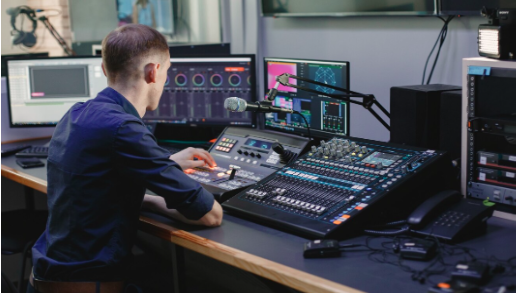
High-definition LED walls, digital mixing consoles, and reliable wireless microphone systems are the standard for modern events.
A reputable provider will be proud to discuss their investment in the latest technology and their backup protocols in case of a primary equipment failure.
4. Integration of Hybrid and Virtual Components
In the current global landscape, many events incorporate a remote audience. This requires specialized knowledge in low-latency streaming and interactive digital platforms. When scouting for audio visual services, verify that the firm has experience with hybrid setups.
They should be able to bridge the gap between the physical stage and the virtual viewers, ensuring that those watching from home feel just as engaged as the people sitting in the front row.
5. Clear Pricing and Transparent Contracts
Hidden fees for labor, transport, or emergency cables can quickly blow a budget out of proportion. Request a detailed, itemized quote that breaks down the costs of equipment rental, labor hours, and any delivery charges.
A professional firm offering audio visual services will provide a transparent contract that outlines the cancellation policies and insurance coverage. Understanding the full financial picture upfront prevents stressful surprises during the final billing process.
6. Venue Familiarity and Site Visits
If possible, choose a partner who has worked in your chosen venue before. Familiarity with the room’s acoustics, power outlet locations, and loading dock access can save hours of setup time.
If they are new to the space, a dedicated provider will insist on a pre-event site visit to assess the environment and plan the layout accordingly. This proactive approach ensures that there are no logistical hurdles on the day of the event.